AMD EPYC 4564P 16c/32t 4.5GHz-5.7GHz 170W (100-000001476)
P/N: 100-000001476
814€ (inc. VAT (Spain))
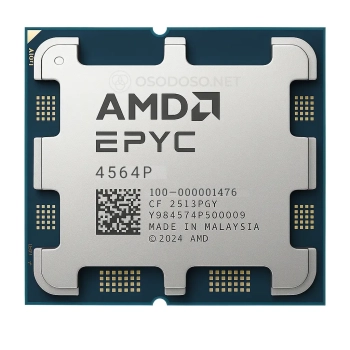
New
Our specialist will help you choose the right server components and ensure full compatibility with your system.
Showing 112 products.
P/N: 100-000001476
814€ (inc. VAT (Spain))
P/N: 100-000000480
1 709€ (inc. VAT (Spain))
P/N: 100-000000478
2 172€ (inc. VAT (Spain))
P/N: 100-000000873
2 115€ (inc. VAT (Spain))
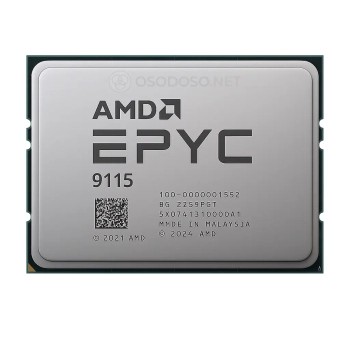
P/N: 100-000001552
1 093€ (inc. VAT (Spain))
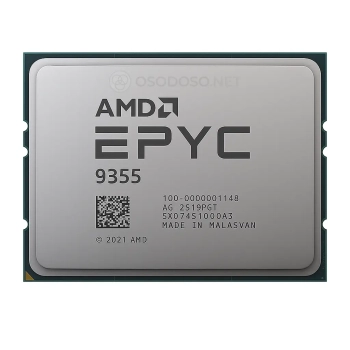
P/N: 100-000001148
3 043€ (inc. VAT (Spain))
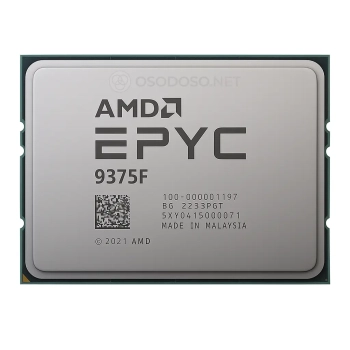
P/N: 100-000001197
2 985€ (inc. VAT (Spain))
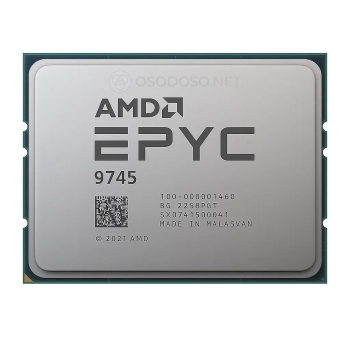
P/N: 100-000001460
6 003€ (inc. VAT (Spain))
P/N: 100-000000338
687€ (inc. VAT (Spain))
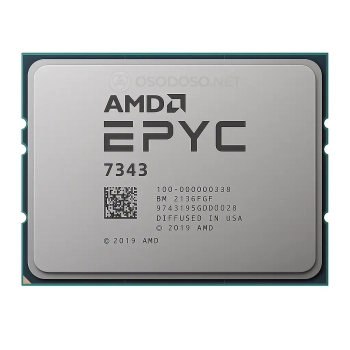
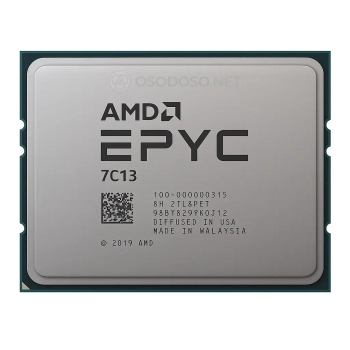
P/N: 100-000000315
1 070€ (inc. VAT (Spain))
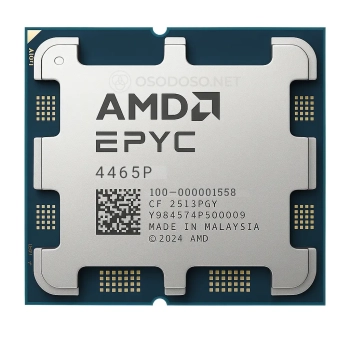
P/N: 100-000001558
687€ (inc. VAT (Spain))
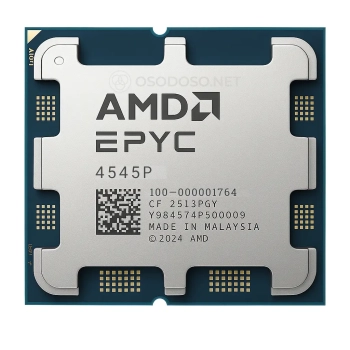
P/N: 100-000001764
814€ (inc. VAT (Spain))
AMD produces two major processor families that are widely used in today’s server infrastructure and professional workstation systems:
EPYC for data-center environments and Threadripper for high-end desktop and workstation workloads.
Both lines share the same architectural foundation but target different types of tasks, allowing businesses and creators to choose a platform that matches their performance needs.
EPYC processors serve as the backbone for modern server platforms.
Depending on the generation, they offer a large number of cores, wide memory bandwidth, and extensive PCIe connectivity — features that are essential for virtualization, multi-user systems, cloud services, and compute-intensive operations.
Many EPYC models provide:
EPYC processors are used in environments where predictable throughput and stability matter more than peak clock speeds.
This includes business servers, hosting environments, private cloud infrastructure, and high-density virtualization nodes.
Threadripper processors focus on professional workstation workloads such as 3D modeling, CAD, engineering simulations, video production, and rendering. They provide high multi-threaded performance, strong single-thread behavior, and support for large memory capacities in PRO variants.
Threadripper PRO models extend the platform with additional features such as:
This makes the Threadripper family suitable for professionals who require high CPU performance without moving to a full server-class platform.
Choosing a processor comes down to the type of workload:
Both product lines rely on the Zen architecture, ensuring stable performance, mature software support, and compatibility with enterprise-grade components.
Virtualization, multi-user systems, database workloads, cloud platforms, and HPC applications that require wide memory bandwidth and many cores.
In professional workstations for 3D design, video editing, engineering, scientific visualization, and other demanding creative tasks.
Yes. EPYC supports ECC by default. Threadripper PRO supports ECC as well, enabling workstation-grade reliability.
Consider memory channels, PCIe requirements, the number of cores needed, and whether your environment resembles a workstation or a server deployment.