AMD EPYC 4564P 16c/32t 4.5GHz-5.7GHz 170W (100-000001476)
P/N: 100-000001476
813€ (inc. VAT (Spain))
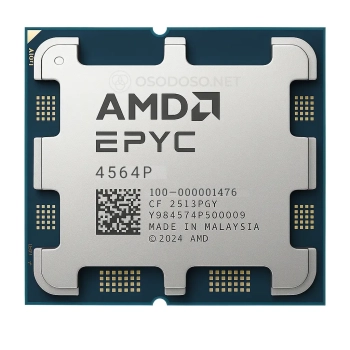
New
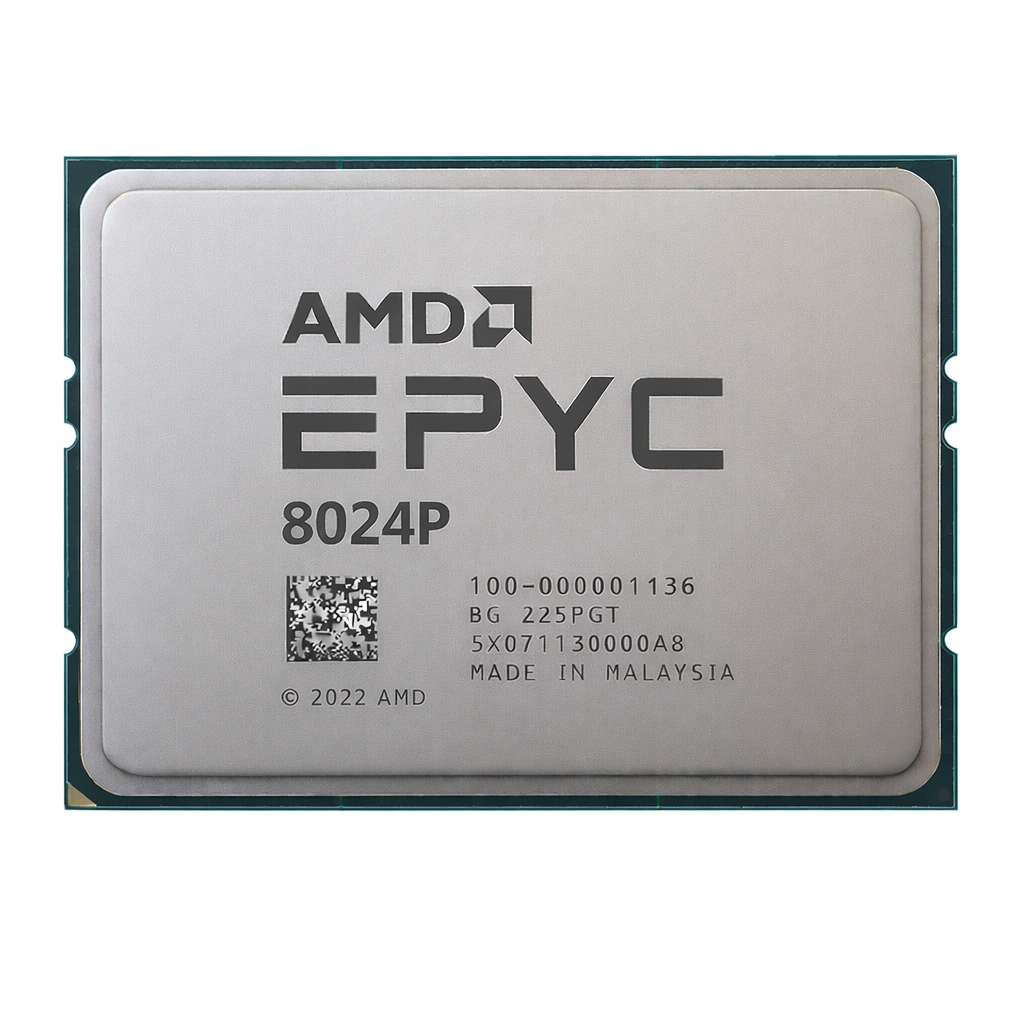
P/N: 100-000001136
663€ (inc. VAT (Spain))
Delivery is made within 3-7 days
This is an estimated timeframe. Delivery times may vary depending on logistics and stock availability.
Warranty 2 year
The product is covered by the manufacturer’s standard warranty.
In stock
Guaranteed Safe Checkout:

AMD EPYC 8024P 8-core Zen 4 Siena server CPU for edge and power-efficient single-socket platforms. Official warranty included.
Our specialist will help you choose the right server components and ensure full compatibility with your system.
| Country of manufacture | Taiwan |
|---|---|
| Manufacturer's warranty (years) | 1 |
| Series | EPYC |
| Number of cores | 8 |
| Number of threads | 16 |
| Clock frequency (GHz) | 2.4 |
| Cache L3 (MB) | 32 |
| Process technology (nm) | 5 |
| Maximum Turbo Frequency (GHz) | 3.0 |
| Memory type | DDR5 |
| Maximum memory channels | 6 |
| Maximum memory frequency (MHz) | 4800 |
| Heat dissipation TDP (W) | 90 |
| PCI Express controller | PCIE 5.0 |
| Number of PCI Express lanes | 96 |
| Processors on a motherboard | 1 |
| Architecture | Zen 4 (Siena) |
| Socket | SP6 |
AMD EPYC 8024P is part of the EPYC 8004 series (“Siena”) aimed at space- and power-constrained single-socket servers. The core idea of this platform is to deliver modern server features (DDR5, PCIe Gen 5, enterprise security) in a smaller footprint and with a cost/power profile that fits edge, telecom, and infrastructure nodes where SP5-class platforms can be excessive.
EPYC 8004 processors use the SP6 socket and are designed around 6 DDR5 memory channels and 96 lanes of PCIe Gen 5, which is a key differentiator for compact systems that still need serious I/O for networking and NVMe storage.
EPYC 8024P provides 8 cores and 16 threads with a 2.4 GHz base clock and up to 3.0 GHz boost, plus an all-core boost speed listed by AMD at 2.95 GHz. This profile is designed for steady, predictable throughput rather than short bursts, which is typically what you want in infrastructure services that run continuously and are sized by power, thermals, and acoustics.
In practice, this class of CPU is usually selected for:
– edge gateways that run multiple network services with modest per-service CPU demand
– telecom control-plane workloads and packet processing stacks where CPU efficiency and I/O matter
– compact enterprise nodes (branch infrastructure, small clusters) that need server-grade platform features without high socket power
EPYC 8024P includes 32 MB of L3 cache. For an 8-core server CPU, this cache size supports good locality for common infrastructure tasks such as routing/filtering services, virtual appliances, lightweight databases, and container hosts with a moderate number of pods.
A useful way to think about it: Siena is not built to “win” large working-set HPC benchmarks. It is built to deliver consistent service performance in deployments where memory channels, PCIe lanes, thermal limits, and platform footprint define the system more than raw peak frequency.
On the SP6/Siena platform, you get 6 channels of DDR5, and AMD positions the platform for compact, efficient deployments.
Your table target for these products uses DDR5-4800 and 6 channels, which aligns with AMD’s Siena platform positioning and documentation around SP6.
For professional deployments, the main tuning lever is balanced channel population. Even with “only” 8 cores, balanced memory population matters because infrastructure nodes often do heavy I/O and buffering, and stable latency is usually more valuable than a few percent of peak throughput.
A major reason to choose EPYC 8024P is that Siena/SP6 keeps modern connectivity: PCIe Gen 5 with 96 lanes on the platform.
This enables configurations like:
– multiple NVMe drives (without oversubscription)
– high-speed NICs (25/50/100GbE class) plus NVMe
– dedicated lanes for storage + networking while still leaving headroom for accelerators or additional controllers
For edge and telecom, this matters because you frequently need to attach fast NICs and storage in a compact chassis, and you do not want I/O to be the bottleneck.
AMD lists EPYC 8024P at a 90 W default TDP, making it easier to cool in compact enclosures and quieter deployments.
This is one of the most practical advantages of the 8004 series: lower cooling requirements and better fit for installations where airflow, dust tolerance, and acoustic limits are real constraints rather than afterthoughts.
EPYC 8024P makes the most sense when you want:
– server-grade platform features (ECC DDR5, modern I/O, enterprise security) in a compact node
– single-socket simplicity with strong I/O connectivity for storage and networking
– power-efficient operation with manageable thermals for edge and infrastructure racks
If your workload is heavily compute-bound and benefits from higher per-core clocks or much higher core counts, you typically move up within the Siena stack or step into other EPYC families. But for infrastructure nodes where the platform constraints dominate, 8024P is a clean, efficient foundation.
Only logged in customers who have purchased this product may leave a review.
Fast and reliable delivery across the European Union
Estimated transit time: 3–7 days from order confirmation. Worldwide shipping is available for customers outside the EU.
All orders are processed within 24 hours after confirmation. Tracking information is provided as soon as the parcel leaves our logistics center.
Multiple Secure Payment Methods
We accept: Visa, MasterCard, PayPal, Bank Transfer, Klarna, Stripe, Revolut Pay, Google Pay, Apple Pay, and USDT (TRC20) cryptocurrency payments.
All transactions are encrypted and processed via certified payment gateways for your security.
Additional Notes
P/N: 100-000001476
813€ (inc. VAT (Spain))

P/N: 100-000000345
860€ (inc. VAT (Spain))
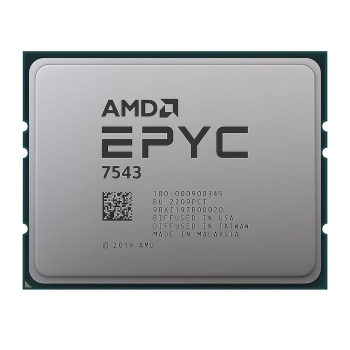
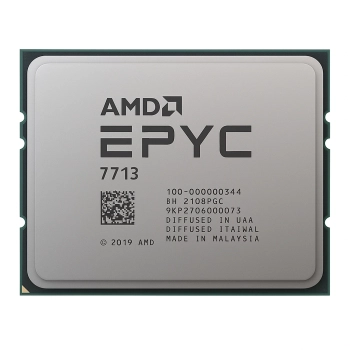
P/N: 100-000000344
1 300€ (inc. VAT (Spain))
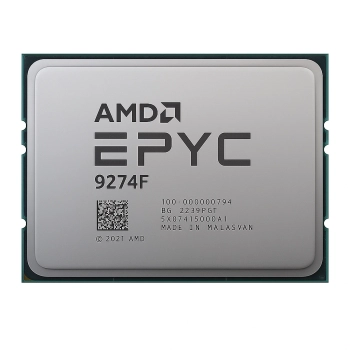
P/N: 100-000000794
2 516€ (inc. VAT (Spain))
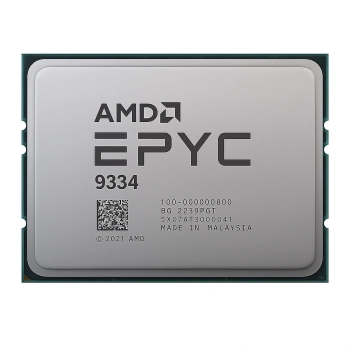
P/N: 100-000000800
2 110€ (inc. VAT (Spain))
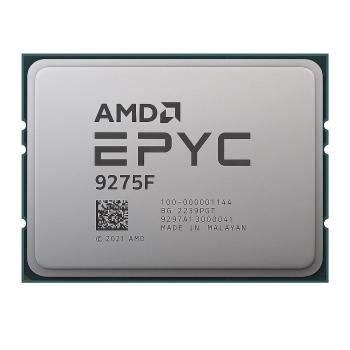
P/N: 100-000001144
3 615€ (inc. VAT (Spain))
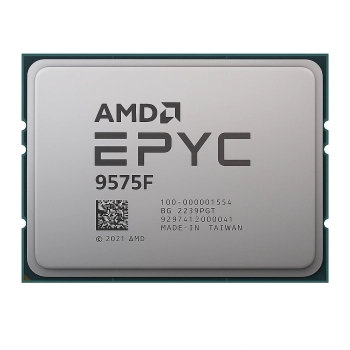
P/N: 100-000001554
5 642€ (inc. VAT (Spain))
Reviews
There are no reviews yet.