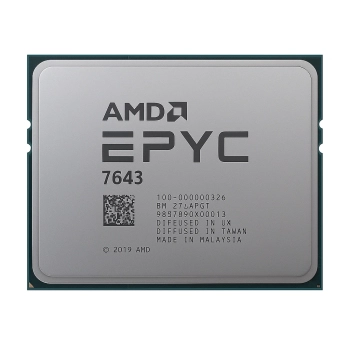
AMD EPYC 7643 48c/96t 2.3GHz-3.6GHz 225W (100-000000326)
P/N: 100-000000326
1 335€ (inc. VAT (Spain))
New
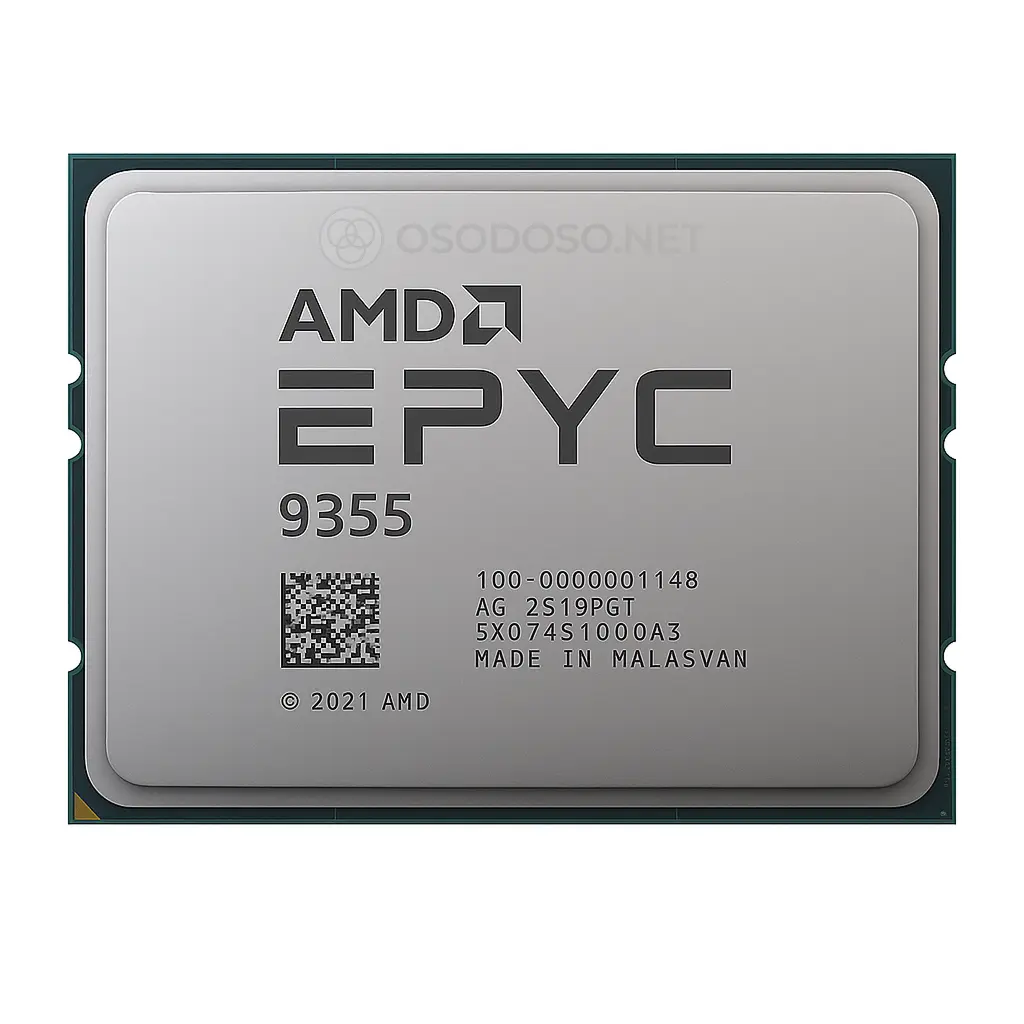
P/N: 100-000001148
3 036€ (inc. VAT (Spain))
Delivery is made within 3-7 days
This is an estimated timeframe. Delivery times may vary depending on logistics and stock availability.
Warranty 2 year
The product is covered by the manufacturer’s standard warranty.
In stock
Guaranteed Safe Checkout:

AMD EPYC 9355 32-core high-frequency Turin CPU with fast EU delivery and worldwide shipping. Official warranty included.
Our specialist will help you choose the right server components and ensure full compatibility with your system.
| Dimensions | 17 × 17 × 10 cm |
|---|---|
| Country of manufacture | Taiwan |
| Manufacturer's warranty (years) | 1 |
| Series | EPYC |
| Number of cores | 32 |
| Number of threads | 64 |
| Clock frequency (GHz) | 3.55 |
| Cache L3 (MB) | 256 |
| Cache L2 (MB) | 1 |
| Process technology (nm) | 4 |
| Maximum Turbo Frequency (GHz) | 4.4 |
| Memory type | DDR5 |
| Maximum memory channels | 12 |
| Maximum memory frequency (MHz) | 6400 |
| Heat dissipation TDP (W) | 280 |
| PCI Express controller | PCIE 5.0 |
| Number of PCI Express lanes | 128 |
| Processors on a motherboard | 2 |
| Length (cm) | 17 |
| Width (cm) | 17 |
| Architecture | Zen 5 |
| Socket | SP5 |
The AMD EPYC 9355 occupies one of the most strategically important positions in the Zen 5 “Turin” stack. With 32 cores and 64 threads, it represents the point where Turin’s architectural advantages begin to scale noticeably beyond the entry-tier models, yet without entering the extreme-density territory of AMD’s highest-end processors. This middle zone is crucial because many real-world enterprise workloads reach their optimal balance here—where parallel throughput, memory bandwidth utilization and per-core latency align in a way that maximizes efficiency rather than raw compute expansion.
Architecturally, the EPYC 9355 inherits the full set of Zen 5 design improvements. This generation delivers a larger uplift than traditional inter-generational refreshes: the front-end has been widened to accommodate higher instruction fetch rates, the branch prediction engine has been retrained with more comprehensive behavioral datasets and the integer and floating-point pipelines have been refined for better instruction retirement under mixed workloads. These enhancements influence the entire Turin family, but their effects are especially visible in a 32-core design where the CPU can push high aggregate throughput without overwhelming memory or triggering thermal constraints. Data published by early evaluators consistently shows the 9355 maintaining strong per-thread responsiveness even when all cores remain active for extended periods.
The memory subsystem plays a defining role in how the 9355 behaves in production. Equipped with 12 channels of DDR5 running at up to 6400 MT/s, the processor offers one of the highest memory bandwidth ceilings available in mainstream server systems. For workloads such as analytical databases, in-memory processing engines and transactional systems with large working sets, this surplus bandwidth translates directly into smoother concurrency scaling. Benchmarks for PostgreSQL, MariaDB and column-oriented engines show that the 9355 can outperform certain previous-generation 32- and even 48-core configurations simply because Zen 5 maintains more efficient memory access patterns under load. Coupled with improvements to Zen 5’s prefetching and load scheduling logic, the processor sustains performance even when datasets exceed L3 residency constraints.
The EPYC 9355 also takes full advantage of the SP5 platform’s immense I/O capability. With access to 128 PCIe 5.0 lanes, it can support dense NVMe storage clusters, multi-accelerator configurations and high-throughput networking without encountering contention issues. This characteristic has made it attractive in modern distributed architectures, where pairing CPUs with SmartNICs, DPUs or high-speed network adapters has become standard. In such environments, the 9355 offers enough compute headroom to focus on application logic while the accelerators handle packet processing, encryption, compression or other specialized tasks. This model aligns well with emerging composable infrastructure strategies, where CPU resources are orchestrated alongside GPU, DPU and storage fabrics.
Virtualization-heavy deployments are another area where the 9355 demonstrates notable advantages. Cloud operators and hosting providers frequently report that 32-core nodes achieve an excellent density-to-stability ratio for VM and container hosting. Higher core-count CPUs occasionally introduce scheduler complexity or NUMA balancing issues, while smaller CPUs may lack sufficient parallel throughput. The 9355 avoids both extremes. Its 280 W TDP also contributes to predictable thermal behavior in 1U and 2U chassis, helping prevent long-term performance degradation caused by throttling in dense rack environments.
In analytics and search platforms, the EPYC 9355 shows strong latency characteristics during periods of heavy indexing or concurrent query activity. Systems such as Elasticsearch, OpenSearch and large-scale log analytics pipelines benefit from the processor’s balanced interplay of cache capacity and Zen 5’s refined load/store subsystem. These workloads often suffer from performance volatility on CPUs that struggle to manage simultaneous ingestion and retrieval; the 9355, by contrast, maintains a stable profile even when ingestion spikes coincide with complex analytical queries.
The processor’s real-world responsiveness extends to cloud-native architectures, including microservice deployments and large application backends. Despite not being a frequency-optimized SKU, the 9355 consistently produces lower median and tail latency for API-driven workloads than expected for its core class. Zen 5’s reductions in branch misprediction penalties and improvements to pipeline utilization contribute to this behavior. As organizations increasingly build latency-sensitive distributed systems, these qualities become more valuable than raw core count alone.
The EPYC 9355 also proves effective in edge and regional datacenter deployments. Its combination of robust single-thread performance, moderate thermal characteristics and broad I/O support fits well in environments where cooling budgets are limited and predictable operation is essential. Multi-node configurations, such as 2U four-node servers, often leverage the 9355 because its characteristics align with balanced compute density and efficient power distribution.
Ultimately, the AMD EPYC 9355 brings a level of platform maturity and architectural refinement to the mid-range CPU segment that was previously associated with only the most advanced SKUs. It aligns with modern infrastructure strategies that prioritize predictable latency, memory bandwidth efficiency and flexible I/O rather than simply maximizing core count. For organizations running virtualization clusters, distributed databases, analytics workloads or high-throughput application backends, the 9355 offers a stable and highly capable foundation designed for sustained operation in demanding multi-tenant environments.
Only logged in customers who have purchased this product may leave a review.
The AMD EPYC 9355 processor from the EPYC 9005 series represents a balanced solution combining high base frequency, significant cache volume, and an optimal core count. Unlike entry-level models or specialized versions with extreme power consumption, the 9355 offers a “sweet spot” for resource-intensive enterprise applications, databases, and virtualization tasks where per-core performance is crucial. Below is a comparison with its 9 closest competitors in the lineup.
| Processor Model | Cores / Threads | Base Frequency (GHz) | Turbo Boost (GHz) | L3 Cache (MB) | TDP (W) |
|---|---|---|---|---|---|
| AMD EPYC 9355 | 32 / 64 | 3.55 | 4.4 | 256 | 280 |
| AMD EPYC 9255 | 24 / 48 | 3.2 | 4.3 | 128 | 200 |
| AMD EPYC 9275F | 24 / 48 | 4.1 | 4.8 | 256 | 320 |
| AMD EPYC 9335 | 32 / 64 | 3.0 | 4.4 | 128 | 210 |
| AMD EPYC 9355P | 32 / 64 | 3.55 | 4.4 | 280 | 280 |
| AMD EPYC 9375F | 32 / 64 | 3.8 | 4.8 | 320 | 320 |
| AMD EPYC 9365 | 36 / 72 | 3.4 | 4.3 | 192 | 300 |
| AMD EPYC 9455 | 48 / 96 | 3.15 | 4.4 | 256 | 300 |
| AMD EPYC 9455P | 48 / 96 | 3.15 | 4.4 | 256 | 300 |
| AMD EPYC 9475F | 48 / 96 | 3.65 | 4.8 | 256 | 400 |
Based on the technical specifications, the AMD EPYC 9355 demonstrates several key advantages over competitors in its class:
The AMD EPYC 9355 is an excellent choice for tasks requiring high per-core performance combined with a large cache volume. It occupies a favorable niche between energy-efficient entry-level models and hot high-frequency chips, offering an optimal combination of speed (3.55 GHz), cache volume (256 MB), and heat dissipation. This makes it an ideal candidate for core-licensed virtualization environments and high-load databases.
This is a server processor based on the Zen 5 architecture (“Turin” generation), manufactured using a 4nm process technology. It features 32 physical cores and 64 threads. The base clock frequency is an impressive 3.55 GHz with an automatic boost capability up to 4.4 GHz. The Level 3 (L3) cache volume is 256 MB.
Thanks to its high base frequency (3.55 GHz) and large cache size (8 MB per core), the EPYC 9355 is ideally suited for tasks requiring high per-core performance. This includes database management systems (DBMS), high-frequency trading, enterprise applications, and virtualization environments where software licensing costs depend on the core count.
Yes, this model supports operation in dual-socket (2P) systems. This allows installing two EPYC 9355 processors on a single motherboard, resulting in a total of 64 cores, 128 threads, and double the number of PCIe lanes for connecting peripherals.
The key difference lies in scalability. The model without the “P” suffix (9355) can operate in both single-processor and dual-processor servers. The model with the “P” suffix (9355P) is designed exclusively for single-socket systems and typically has a lower cost with similar performance characteristics.
The processor supports the latest DDR5 standard RAM with Error Correction Code (ECC). The memory controller ensures operation in 12-channel mode, guaranteeing enormous bandwidth. The maximum supported memory frequency is 6400 MT/s (depending on the slot configuration).
The processor is installed in the SP5 socket (LGA 6096). When choosing a motherboard, it is necessary to ensure that it is equipped with this specific processor socket and has a BIOS update to support the EPYC 9005 (Turin) generation.
The standard Thermal Design Power (TDP) is 280 W. This is an energy-efficient figure for such performance, but the server must be equipped with a high-quality cooling system designed to dissipate this thermal output, especially in compact 1U or 2U form factor chassis.
The EPYC 9355 supports the PCIe 5.0 interface, providing up to 128 high-speed I/O lanes. This allows connecting modern NVMe drives, high-bandwidth network cards (100-400GbE), and compute accelerators (GPUs) without bottlenecks.
The choice of a 32-core model is often driven by the balance of frequency and cost. The EPYC 9355 has a significantly higher base frequency than 64- or 96-core models, making it faster in tasks that cannot parallelize across hundreds of threads. Additionally, this allows for significant savings on software licenses (e.g., VMware or SQL Server) that are calculated based on the core count.
Fast and reliable delivery across the European Union
Estimated transit time: 3–7 days from order confirmation. Worldwide shipping is available for customers outside the EU.
All orders are processed within 24 hours after confirmation. Tracking information is provided as soon as the parcel leaves our logistics center.
Multiple Secure Payment Methods
We accept: Visa, MasterCard, PayPal, Bank Transfer, Klarna, Stripe, Revolut Pay, Google Pay, Apple Pay, and USDT (TRC20) cryptocurrency payments.
All transactions are encrypted and processed via certified payment gateways for your security.
Additional Notes
P/N: 100-000001148
3 036€ (inc. VAT (Spain))
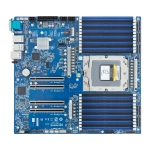
This bundle pairs the AMD EPYC 9355 with the Gigabyte MZ33-AR1 to form a high-performance and modern SP5 server platform. Optimized for enterprise virtualization, dense compute workloads, and data-intensive applications. Delivers a powerful 32-core foundation based on the latest Zen 5 architecture, massive DDR5 memory bandwidth, and PCIe 5.0 scalability for next-generation data center infrastructures.
Please submit a request, and we will gladly extend discounts on the pricing of our product sets.
P/N: 100-000001148
3 036€ (inc. VAT (Spain))
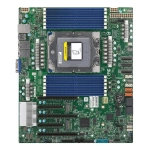
This bundle pairs the AMD EPYC 9355 with the Supermicro H13SSL-NT to form a high-performance and balanced SP5 server platform. Optimized for enterprise virtualization, high-throughput data processing, and cloud-scale infrastructure. Delivers a robust 32-core foundation based on the latest Zen 5 architecture, 12-channel DDR5 memory support, and ultra-fast dual 10GbE networking for mission-critical enterprise environments.
Please submit a request, and we will gladly extend discounts on the pricing of our product sets.
P/N: 100-000000326
1 335€ (inc. VAT (Spain))
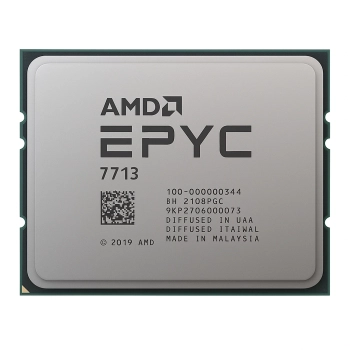
P/N: 100-000000344
1 300€ (inc. VAT (Spain))
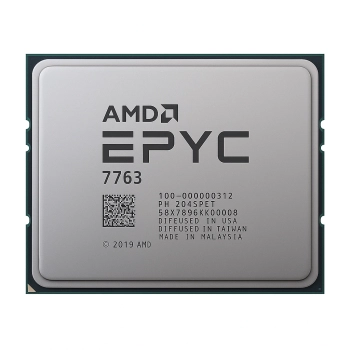
P/N: 100-000000312
1 241€ (inc. VAT (Spain))
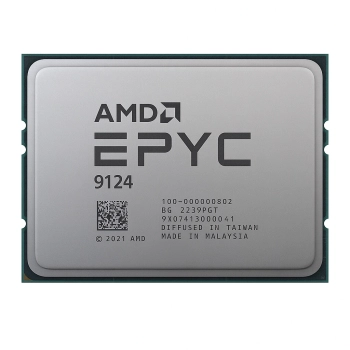
P/N: 100-000000802
720€ (inc. VAT (Spain))
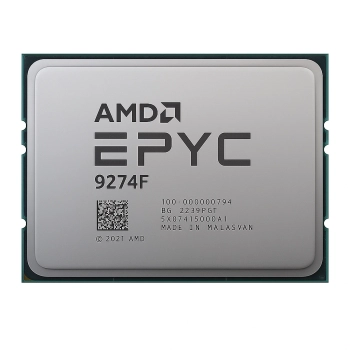
P/N: 100-000000794
2 516€ (inc. VAT (Spain))
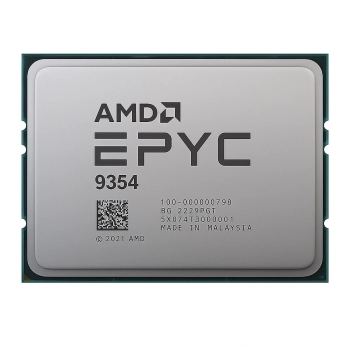
P/N: 100-000000798
1 937€ (inc. VAT (Spain))
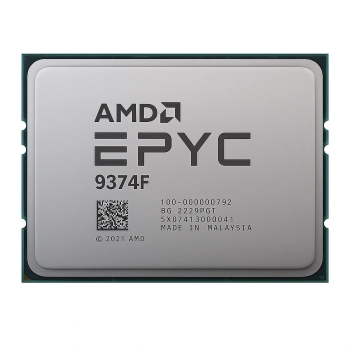
P/N: 100-000000792
2 863€ (inc. VAT (Spain))
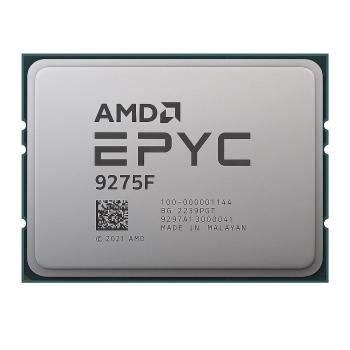
P/N: 100-000001144
3 615€ (inc. VAT (Spain))
Reviews
There are no reviews yet.