
New
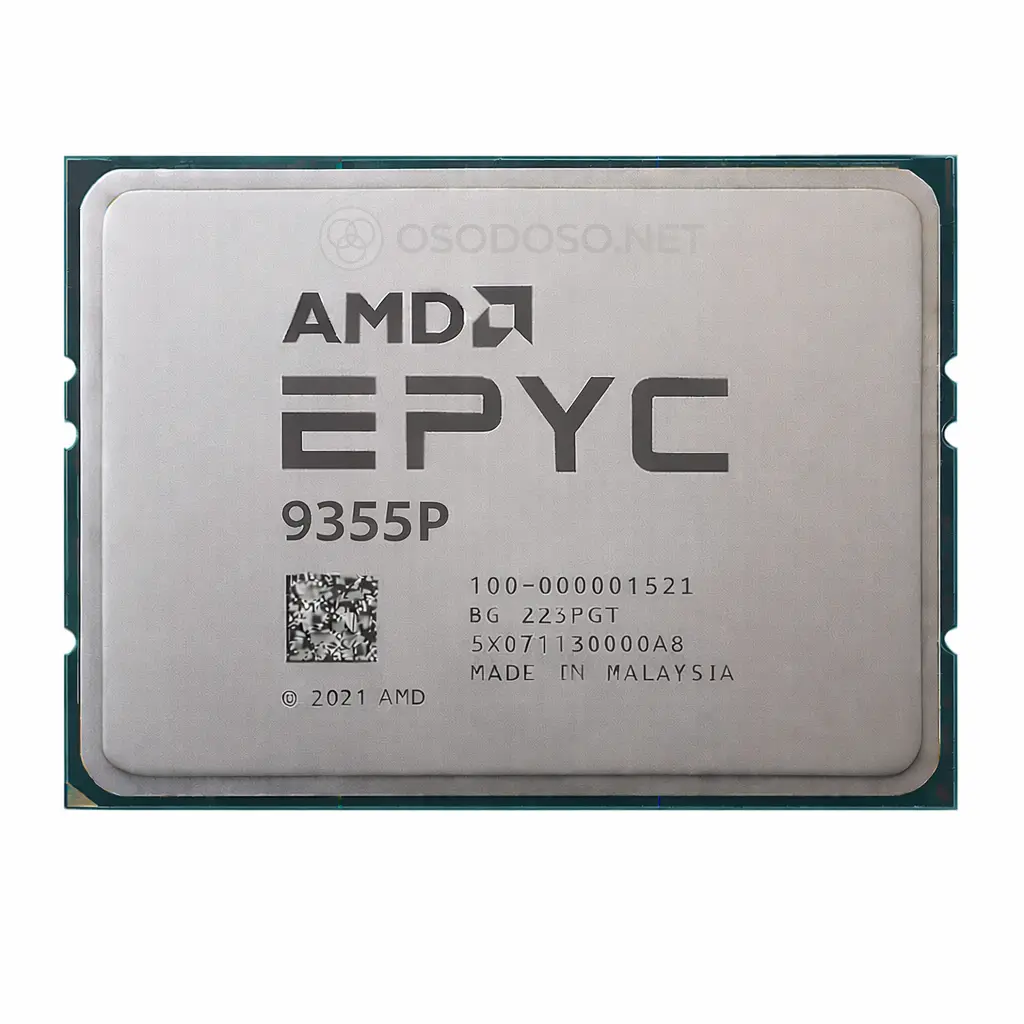
P/N: 100-000001521
3 442€ (inc. VAT (Spain))
Delivery is made within 3-7 days
This is an estimated timeframe. Delivery times may vary depending on logistics and stock availability.
Warranty 2 year
The product is covered by the manufacturer’s standard warranty.
In stock
Guaranteed Safe Checkout:

AMD EPYC 9355P 32-core Zen 5 server CPU optimized for high-performance single-socket deployments. Official warranty included.
Our specialist will help you choose the right server components and ensure full compatibility with your system.
| Country of manufacture | Taiwan |
|---|---|
| Manufacturer's warranty (years) | 1 |
| Series | EPYC |
| Number of cores | 32 |
| Number of threads | 64 |
| Clock frequency (GHz) | 3.55 |
| Cache L3 (MB) | 280 |
| Process technology (nm) | 4 |
| Maximum Turbo Frequency (GHz) | 4.4 |
| Memory type | DDR5 |
| Maximum memory channels | 12 |
| Maximum memory frequency (MHz) | 6400 |
| Heat dissipation TDP (W) | 280 |
| PCI Express controller | PCIE 5.0 |
| Number of PCI Express lanes | 128 |
| Processors on a motherboard | 1 |
| Architecture | Zen 5 (Turin) |
| Socket | SP5 |
AMD EPYC 9355P is a 5th Gen EPYC 9005-series processor (codename Turin) aimed at dense, business-critical server deployments where strong per-core throughput and predictable platform I/O matter as much as raw core count. The “P” suffix indicates a single-socket focused part, which is typically selected for 1P servers to maximize performance-per-node while keeping licensing, platform cost, and power planning straightforward.
With 32 cores and 64 threads, EPYC 9355P sits in a practical “sweet spot” for virtualization clusters, database tiers that scale well up to a few dozen high-performance cores, and general-purpose compute nodes that also need high-speed connectivity and lots of PCIe lanes for storage or accelerators.
At a glance, the spec set is tuned for modern data-center platforms:
That combination is exactly why EPYC is commonly chosen in designs where you want to attach multiple NVMe drives, high-speed NICs (25/100/200/400GbE), and accelerators without resorting to external PCIe switches in every chassis.
EPYC 9355P is usually a strong match when the workload profile looks like one of these:
A quick practical rule: if you are currently running into CPU saturation and also running out of lanes for NVMe + networking, moving to a 32-core Turin part on SP5 often cleans up both constraints at once, provided your cooling and power budget can accommodate a 280 W CPU.
Turin on SP5 is designed around a wide DDR5 memory subsystem (12 channels), which helps maintain bandwidth under multi-tenant loads and prevents performance collapse when many cores hit memory at the same time.
Memory speed support depends on the server platform and validated DIMM configurations. Public reporting around the Turin generation notes DDR5 speed targets and platform validation considerations, so the right way to treat memory speed is: pick the server model first, then follow the vendor’s memory population rules (DIMM type, ranks, slots-per-channel) to hit your intended throughput and capacity.
A major reason professionals pick EPYC for storage-heavy or network-heavy nodes is the lane budget. With PCIe 5.0 and up to 128 lanes, you can build very capable 1P servers:
This is also where 1P-focused parts make economic sense: you can keep a single-socket board and still build a system that does not “feel” I/O-constrained.
For regulated environments and multi-tenant hosting, EPYC platforms are commonly evaluated on built-in security and confidential computing capabilities. AMD positions Infinity Guard as a silicon-level security feature set for EPYC platforms.
A widely referenced component in that area is Secure Encrypted Virtualization (SEV), which is designed to protect data-in-use by isolating VMs with encryption keys managed by the AMD Secure Processor (enablement depends on hypervisor/guest and platform).
Only logged in customers who have purchased this product may leave a review.
Fast and reliable delivery across the European Union
Estimated transit time: 3–7 days from order confirmation. Worldwide shipping is available for customers outside the EU.
All orders are processed within 24 hours after confirmation. Tracking information is provided as soon as the parcel leaves our logistics center.
Multiple Secure Payment Methods
We accept: Visa, MasterCard, PayPal, Bank Transfer, Klarna, Stripe, Revolut Pay, Google Pay, Apple Pay, and USDT (TRC20) cryptocurrency payments.
All transactions are encrypted and processed via certified payment gateways for your security.
Additional Notes
P/N: 100-000000802
720€ (inc. VAT (Spain))
P/N: 100-000000792
2 863€ (inc. VAT (Spain))
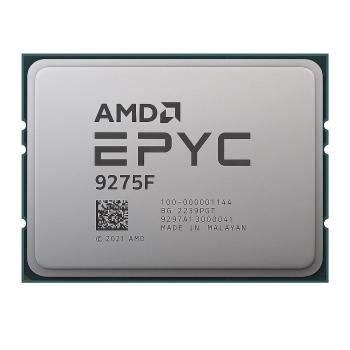
P/N: 100-000001144
3 615€ (inc. VAT (Spain))
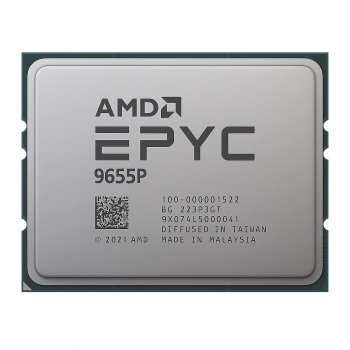
P/N: 100-000001522
4 137€ (inc. VAT (Spain))
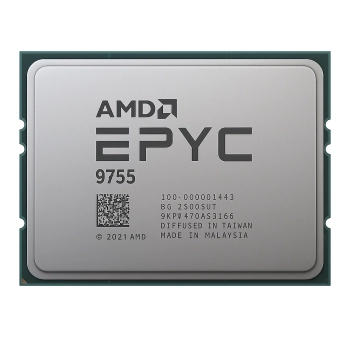
P/N: 100-000001443
5 179€ (inc. VAT (Spain))
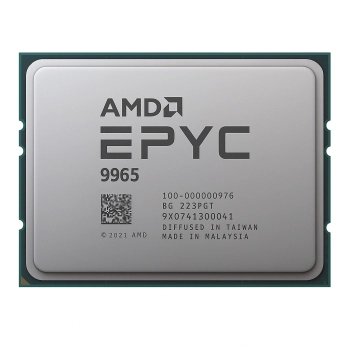
P/N: 100-000000976
5 931€ (inc. VAT (Spain))
P/N: 100-000000078
293€ (inc. VAT (Spain))
Reviews
There are no reviews yet.