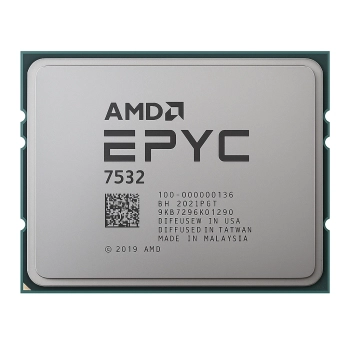
AMD EPYC 7532 32c/64t 2.4GHz-3.3GHz 200W (100-000000136)
P/N: 100-000000136
373€ (inc. VAT (Spain))
New
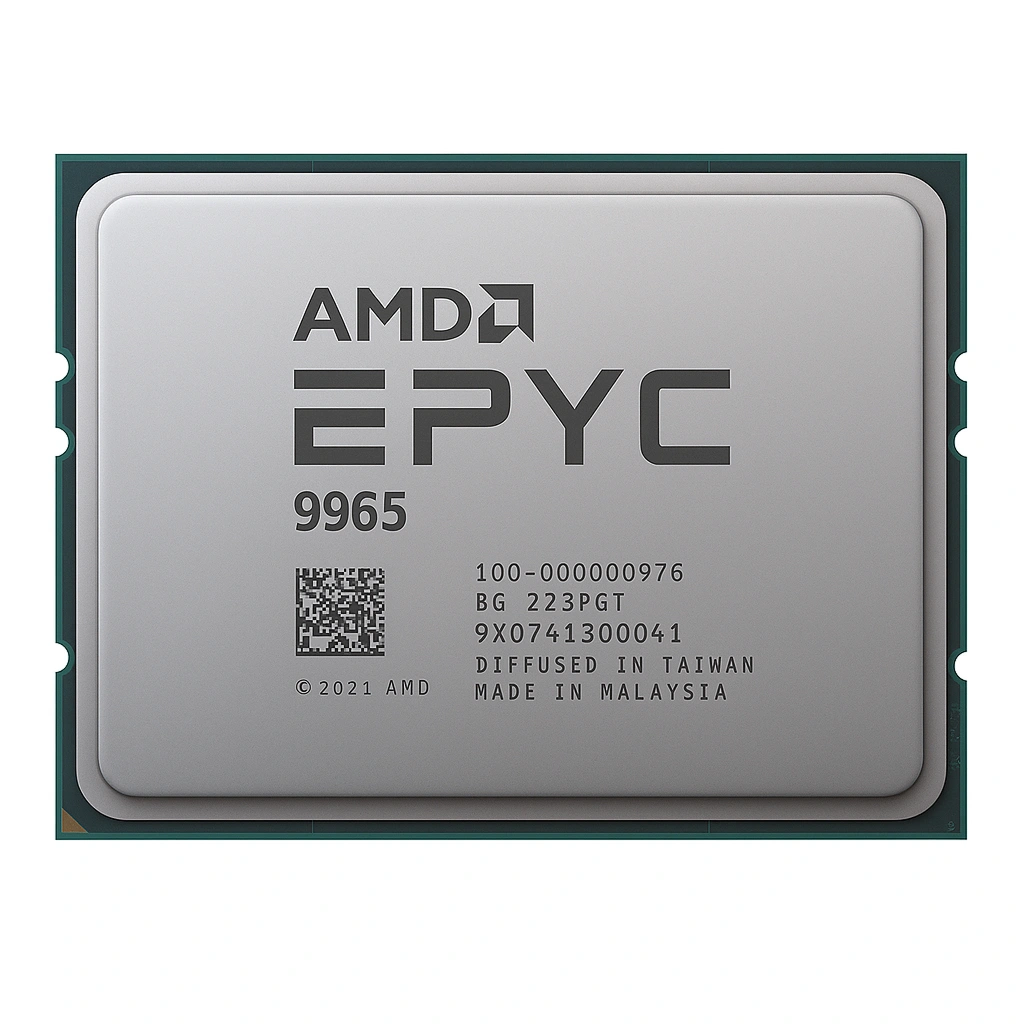
P/N: 100-000000976
5 931€ (inc. VAT (Spain))
Delivery is made within 3-7 days
This is an estimated timeframe. Delivery times may vary depending on logistics and stock availability.
Warranty 2 year
The product is covered by the manufacturer’s standard warranty.
In stock
Guaranteed Safe Checkout:

AMD EPYC 9965 processor with fast EU delivery and worldwide shipping. The best price in the European Union. Includes official warranty.
Our specialist will help you choose the right server components and ensure full compatibility with your system.
| Dimensions | 17 × 17 × 10 cm |
|---|---|
| Country of manufacture | Taiwan |
| Manufacturer's warranty (years) | 1 |
| Series | EPYC |
| Number of cores | 192 |
| Number of threads | 384 |
| Clock frequency (GHz) | 2.25 |
| Cache L3 (MB) | 384 |
| Process technology (nm) | 3 |
| Maximum Turbo Frequency (GHz) | 3.35 |
| Memory type | DDR5 |
| Maximum memory channels | 12 |
| Maximum memory frequency (MHz) | 6400 |
| Heat dissipation TDP (W) | 500 |
| PCI Express controller | PCIE 5.0 |
| Number of PCI Express lanes | 128 |
| Processors on a motherboard | 2 |
| Length (cm) | 17 |
| Width (cm) | 17 |
| Architecture | Zen 5 (Turin) |
| Socket | SP5 |
AMD EPYC 9965 is a processor built on the Zen 5 (Turin) architecture using a cutting-edge 3 nm manufacturing process. It is primarily designed for professional and enterprise applications, combining exceptional power and performance for the most intensive computing environments.
The processor integrates AMD Infinity Guard and AMD Infinity Architecture technologies, which are critical for protecting data integrity and securing virtualized environments.
AMD EPYC 9965 is the ideal choice for building high-performance servers designed for virtualization, containerization, data analytics, and rendering. It delivers the performance, security, and scalability needed to handle the most complex business workloads.
Only logged in customers who have purchased this product may leave a review.
Below is a technical comparative analysis of the AMD EPYC 9965 processor against its 9 closest competitors in the AMD EPYC 9005 series. The data is based on technical specifications, including core counts, frequencies, and thermal design power (TDP).
| Processor Model | Cores / Threads | Base Frequency (GHz) | Turbo Boost (GHz) | L3 Cache (MB) | TDP (W) |
|---|---|---|---|---|---|
| AMD EPYC 9965 | 192 / 384 | 2.25 | 3.35 | 384 | 500 |
| AMD EPYC 9845 | 160 / 320 | 2.10 | 3.25 | 320 | 390 |
| AMD EPYC 9825 | 144 / 288 | 2.20 | 3.30 | 384 | 384 |
| AMD EPYC 9755 | 128 / 256 | 2.70 | 4.10 | 512 | 500 |
| AMD EPYC 9745 | 128 / 256 | 2.40 | 3.70 | 256 | 400 |
| AMD EPYC 9645 | 96 / 192 | 2.30 | 3.70 | 256 | 320 |
| AMD EPYC 9565 | 72 / 144 | 3.15 | 4.30 | 384 | 400 |
| AMD EPYC 9555 | 64 / 128 | 3.20 | 4.40 | 256 | 360 |
| AMD EPYC 9535 | 64 / 128 | 2.40 | 4.30 | 256 | 300 |
| AMD EPYC 9455 | 48 / 96 | 3.15 | 4.40 | 256 | 300 |
Based on technical specifications, the AMD EPYC 9965 demonstrates clear superiority in the high-density computing segment. The processor’s key strength is its record-breaking core count of 192, which is 20% more than its closest competitor, the EPYC 9845, and 50% more than the flagship EPYC 9755. Such an architecture provides unprecedented throughput in virtualization and containerization tasks, allowing for a greater number of virtual machines to be hosted on a single physical socket.
It is important to note the power efficiency per core. With a TDP of 500 W, similar to the EPYC 9755 model, the EPYC 9965 processor provides significantly more computing threads, making it an ideal solution for data centers aiming to maximize performance per rack. Although the L3 cache size (384 MB) is smaller than that of the 9755 model (512 MB), it is optimized to handle the dense data flow characteristic of cloud workloads. The reduced base frequency (2.25 GHz) is a necessary compromise to maintain the thermal envelope; however, in multi-threaded scenarios, the total computing power outweighs this factor.
The AMD EPYC 9965 is the absolute leader in core density within the 9005 lineup, offering the best performance-per-watt ratio for scalable cloud infrastructures and HPC tasks where parallelism is a priority over the peak frequency of a single core.
Thanks to its 192 cores and 384 threads, this processor is ideally suited for high-density computing environments. Primary use cases include massive virtualization (running hundreds of virtual machines on a single node), containerization (Kubernetes), cloud computing, as well as big data processing and analytics where maximum parallelism is required rather than peak single-core frequency.
Yes, the processor uses the SP5 socket (LGA 6096), which was also used in the previous EPYC 9004 (Genoa) generation. However, a BIOS update is mandatory for the correct operation of 9005 series processors on existing motherboards. Before purchasing, it is recommended to check the Qualified Vendor List (QVL) for the specific motherboard model.
A Thermal Design Power (TDP) of 500W requires the use of high-efficiency cooling systems. For 1U or 2U servers, the use of liquid cooling or specialized high-performance heatsinks with powerful airflow is strongly recommended. Standard air coolers may not be able to handle heat dissipation at peak loads, leading to throttling (performance degradation).
The AMD EPYC 9965 supports the latest DDR5 memory with Error Correction Code (ECC). The processor is equipped with a 12-channel memory controller, providing massive bandwidth. To achieve maximum performance, it is recommended to populate all 12 channels with memory modules rated up to 6400 MT/s (or higher, depending on server specifications).
The EPYC 9965 is optimized for multithreading: it has a lower base frequency (2.25 GHz) but significantly more cores. This makes it the best choice for workloads that can be parallelized. High-frequency models (like the 9555 at 3.2 GHz) are better suited for core-licensed software and tasks where single-thread responsiveness is critical (e.g., certain databases or high-frequency trading systems).
This is a critical aspect. Many enterprise software products (e.g., VMware, Windows Server, SQL Server) are licensed based on the number of physical cores. Using a processor with 192 cores can significantly increase licensing costs compared to lower-density processors. It is recommended to calculate software costs for your infrastructure in advance.
Yes, the EPYC 9965 provides full support for 128 PCIe 5.0 lanes, doubling I/O bandwidth compared to PCIe 4.0. It also supports CXL 2.0 (Compute Express Link) technology, which allows for expanding available server memory capacity and ensures coherent memory access for accelerators and storage devices.
Despite its high absolute power consumption (500W), the EPYC 9965 offers one of the best performance-per-watt ratios in the industry. By consolidating several older dual-processor servers into a single server based on the 9965, you can significantly reduce rack space usage, lower overall energy consumption, and simplify physical infrastructure administration.
Yes, high load currents must be considered when building the system. The Power Supply Unit (PSU) must have adequate wattage and the necessary connectors to power the CPU. Additionally, the motherboard must feature a reinforced power delivery subsystem (VRM) capable of sustaining a continuous 500W load per socket. It is recommended to use server platforms certified specifically for the EPYC 9005 series.
Fast and reliable delivery across the European Union
Estimated transit time: 3–7 days from order confirmation. Worldwide shipping is available for customers outside the EU.
All orders are processed within 24 hours after confirmation. Tracking information is provided as soon as the parcel leaves our logistics center.
Multiple Secure Payment Methods
We accept: Visa, MasterCard, PayPal, Bank Transfer, Klarna, Stripe, Revolut Pay, Google Pay, Apple Pay, and USDT (TRC20) cryptocurrency payments.
All transactions are encrypted and processed via certified payment gateways for your security.
Additional Notes
P/N: 100-000000976
5 931€ (inc. VAT (Spain))
This bundle pairs the AMD EPYC 9965 with the Gigabyte MZ33-AR1 to form an ultra-high-density SP5 server platform. Optimized for cloud-native workloads, massive scale-out virtualization, and high-throughput microservices. Delivers an industry-leading 192-core compute density, Zen 5c architectural efficiency, and PCIe 5.0 readiness for next-generation, space-constrained data center environments.
Please submit a request, and we will gladly extend discounts on the pricing of our product sets.
P/N: 100-000000976
5 931€ (inc. VAT (Spain))
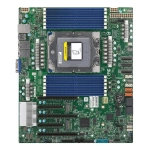
This bundle pairs the AMD EPYC 9965 with the Supermicro H13SSL-NT to form an ultra-high-density SP5 server platform. Optimized for cloud-native applications, massive multi-tenant virtualization, and high-throughput containerized workloads. Delivers an incredible 192-core compute foundation based on Zen 5c architecture, 12-channel DDR5 support, and dual 10GbE networking for next-generation, space-efficient data centers.
Please submit a request, and we will gladly extend discounts on the pricing of our product sets.
P/N: 100-000000136
373€ (inc. VAT (Spain))
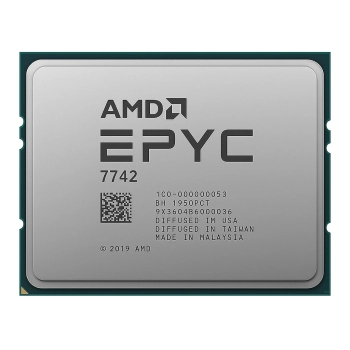
P/N: 100-000000053
675€ (inc. VAT (Spain))

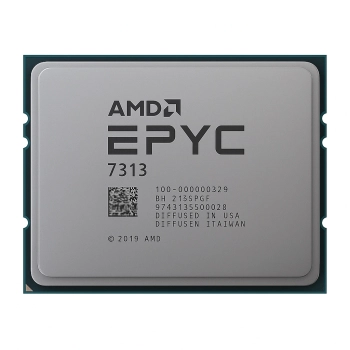
P/N: 100-000000329
686€ (inc. VAT (Spain))
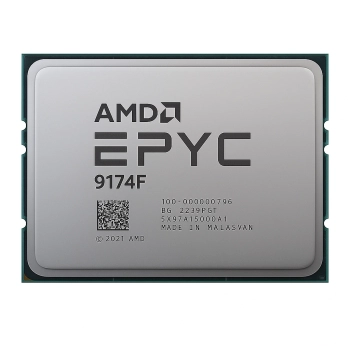
P/N: 100-000000796
2 341€ (inc. VAT (Spain))
P/N: 100-000000790
3 790€ (inc. VAT (Spain))
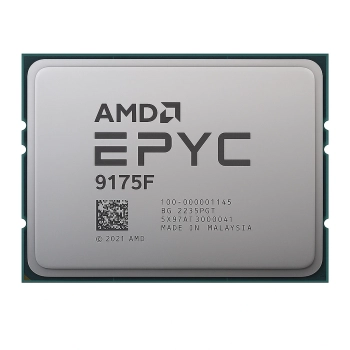
P/N: 100-000001145
3 674€ (inc. VAT (Spain))
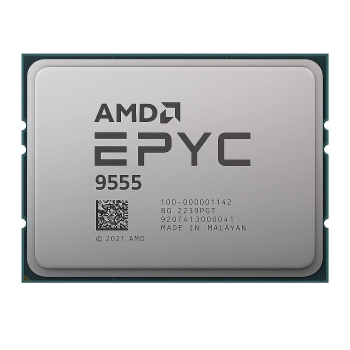
P/N: 100-000001142
4 253€ (inc. VAT (Spain))
Reviews
There are no reviews yet.